 |
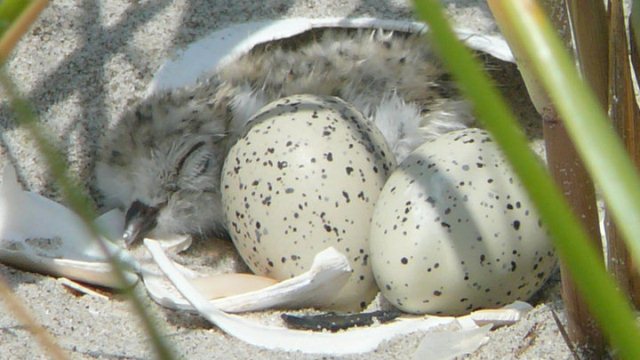
| Photo Credit: NPS Photo |
We see this when looking at endangered African wild dogs. In an attempt to restore a population of dogs to Mozambique’s Gorongosa National Park a pack of 14 was released from rehab (Angier). The alpha female of the pack was pregnant when released, unfortunately, her first litter didn't survive. That didn't stop this pack, in the summer of 2019, the packs alpha female gave birth to 11 healthy pups, 10 of which survived (Angier). The pack wasn't limited to this birth, the beta female also gave birth to 8 pups, which the pack was happy to accept (Angier). This success was another example of nature showing us that our efforts are worth it and that we can be rewarded for those efforts. The park's dog population has grown from 0 to 50 in the last few years and continues to expand, proving that our efforts have been put to use (Angier).
 |
| Photo Credit: Anastasia Miller |
Not only have wild dogs started a comeback due to human action, but African vulture safe zones have begun to pop up across South Africa helping the population grow. Vulture populations of Africa have dwindled by 62% in the last thirty years (Kockott and Carnie). This past November one of five planned vulture safe zones was opened in Howick, South Africa (Kockott and Carnie). In the years to follow these openings it is projected for vulture populations to grow.
If we continue our effort, nature will reward us once again. As we set up different projects to help our environment the world becomes a better place for us to live. By cleaning our coasts and atmosphere we are given a hospitable place to live. By conserving our animal populations we are given beautiful biodiversity to admire and learn from.
Works Cited
Angier, Natalie. "Wild Pups Romp Again in an African Paradise." The New York Times, 3 Aug. 2019, www.nytimes.com/2019/08/03/science/african-dogs-pups-gorongosa.html. Accessed 9 Dec. 2019.
Kockott, Fred, and Tony Carnie. "Lift-off for first African vulture safe zones." Mongabay, 28 Nov. 2019, news.mongabay.com/2019/11/lift-off-for-first-african-vulture-safe-zones/. Accessed 9 Dec. 2019.
NPS Photo. A newly hatched piping plover chick rests. National Park Service, www.nps.gov/gate/learn/news/plover-eggs-stolen.htm. Accessed 10 Dec. 2019.
Wu, Sarah. "Endangered piping plovers hatch in Boston for the first time in decades." The Boston Globe [Boston], 2 July 2019. Boston Globe, www.bostonglobe.com/metro/2019/07/02/endangered-piping-plovers-hatch-boston-for-first-time-decades/QrlnnjA0ytY5pFdhAaVkTN/story.html. Accessed 4 Dec. 2019.

In your last paragraph, you mention the benefits of these populations being restored, which is what I was wondering about. Why are vultures so important in Africa? I don't think too many people will find them beautiful, so why is this type of biodiversity so important?
ReplyDeleteHi, is there any reason to have all these extra animals other than admiring them? What are the extra benefit of having all these animals?
ReplyDeleteThis is really cool, are there any local organizations that help with this type of effort?
ReplyDeleteNew Hampshire Fish and Game Department focus on keep our animals safe on a more legal side of things. There are some programs in New Hampshire that focus on restoring wildlife. An example would be New Hampshire Audubon. They work on rehabilitating birds and take surveys on New Hampshire's insect population. They help spread their knowledge in the community by hosting camps and classes through out the year for people of all ages.
Delete