Monday, December 16, 2019

Fighting for the Pangolin

Image result for african pangolin
Photo Credit: Pinterest
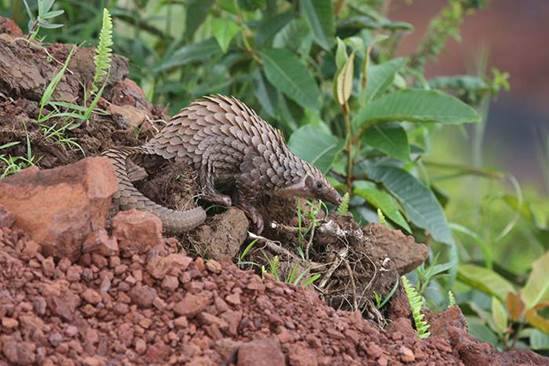
After my trip to South Africa this summer, my eyes were opened to the horrors of poaching. Animals being slaughtered for a single horn or tusk, or scale, to make a quick buck. The ruthlessness of what people do to these animals in order to get what they want is horrible. One of the species we talked about was called a pangolin. I had heard of them before, but I never knew the threats and mistreatment they face.  


Image result for african pangolin
Photo Credit: Wikimedia Commons
What is a pangolin you may be wondering? They are scaled mammals with a soft belly, that when threatened roll into an armored ball (Pangolin Facts...). This makes them easy targets for poachers who can just pick them right up. While they may look like lizards or armadillos, they are more closely related to your dog or cat than to reptiles and armadillos (Pangolin Facts...).

Pangolins are the most trafficked animals in the world, even though a large number of people don't even know what they are (Morris). As the demand and poaching of pangolins grow, their numbers dwindle. There are 8 different species of pangolin, all of which or deemed vulnerable to endangered (Pangolin). Two of these eight were named critically endangered by the IUCN and were added to their Red List of Threatened Species (Pangolin).
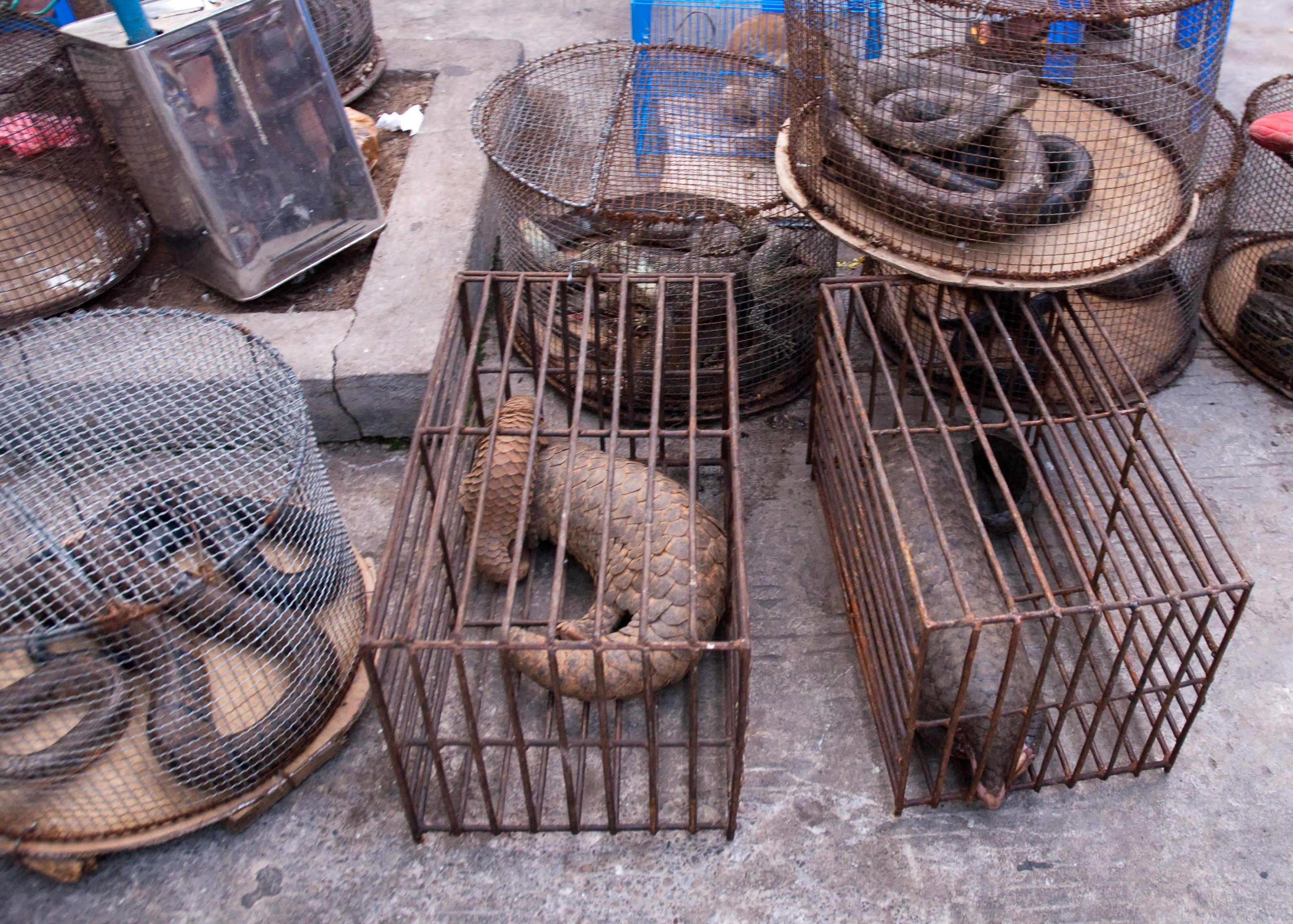
Image result for african pangolin
Photo Credit: Dan Bennett
Between the years 2011 and 2013, through law enforcement busts alone, roughly 116,990 to 233,980 pangolins were estimated to have been killed for their scales and body parts (Pangolin). Given that only about 10% of trafficking is caught, the estimated total of pangolins killed is much higher (Pangolin). Between the years 2000 and 2013, around one million pangolins were poached and trafficked (Pangolin Facts...). As Jeff Flocken, the director of North America’s International Fund for Animal Welfare, states “The threat is significant and escalating, due to the high demand for consumption, they are disappearing,” (Qtd in Morris).
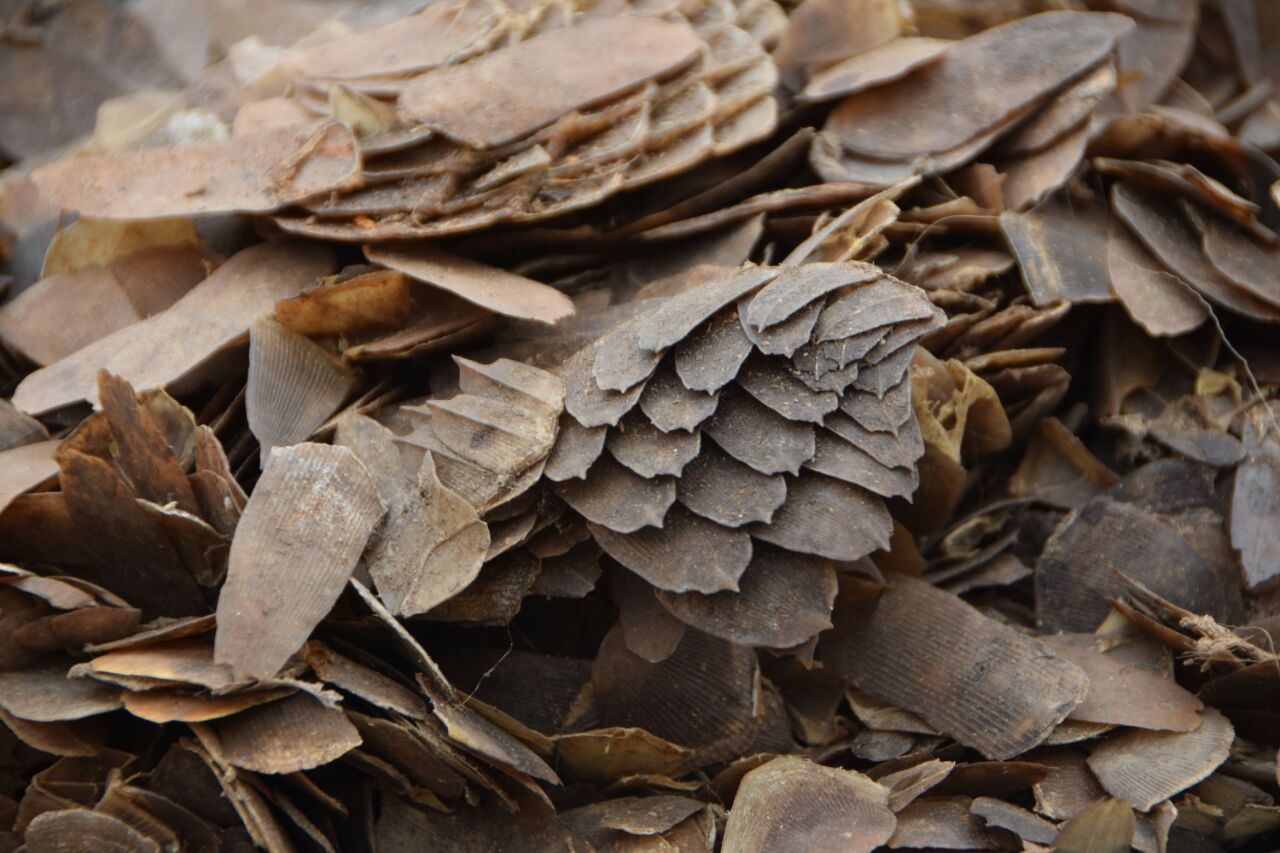
Image result for african pangolin
Photo Credit: Kenneth Cameron
You may be wondering why pangolins are in such high demand, and the answer is simple... their scales. They are popular in Asian culture for their use as jewelry, medication, and in some cases even food (Morris). Even though their scales are made of the same material as our fingernails, keratin, people continue to believe that the scales have healing properties (Pangolin Facts...).

Pangolins are an important part of Asia and Africa’s ecology. They primarily eat termites and ants. This is helpful for local people, if there weren’t pangolins their farms and houses would be at risk of termite infestation. Unfortunately for the pangolin, this specific diet makes it hard to keep them in captivity or in sanctuaries. 

Unfortunately, there isn’t much as an individual that we can do to help this problem, but by spreading awareness and speaking out against poaching and animal trafficking all around the world maybe we can start to make a difference. While there are laws in place perhaps there is more we can do to help these defenseless creators. We should remember the pangolin and the troubles they are facing to strengthen our defense against the poaching of other animals. Nobody knows how many pangolins are left in the wild, or how much longer they’ll be around. Let's not let this happen to any other animal, humanity doesn’t need the death of any more species on our hands. Remember the pangolin’s story and help contribute to a happy ending. 


Works Cited
Bennett, Dan. Myanmar Illicit Endangered Wildlife Market. 18 Apr. 2008. Wikipedia, en.wikipedia.org/wiki/Pangolin_trade. Accessed 16 Dec. 2019.
Cameron, Kenneth. Confiscated pangolin scales set to be destroyed in Cameroon in 2017. 17 Feb. 2017. Wikipedia, en.wikipedia.org/wiki/Pangolin_trade#/media/File:Pangolin_scale_burn_in_Cameroon._Credit-_Kenneth_Cameron_-_USFWS_(2)_(32575640450).jpg. Accessed 16 Dec. 2019.
Ghana Pangolins. 18 Feb. 2017. Wikimedia Commons, commons.wikimedia.org/wiki/File:Ghana_Pangolins_USAmb_2017-02-18_B001.jpg. Accessed 16 Dec. 2019.
Morris, Lulu. "What is the World's Most Poached Animal?" National Geographic, 9 May 2017, www.nationalgeographic.com.au/animals/what-is-the-worlds-most-poached-animal.aspx. Accessed 16 Dec. 2019.
"Pangolin." World Wildlife Foundation, www.worldwildlife.org/species/pangolin#. Accessed 16 Dec. 2019.
"Pangolin Facts and Information." National Geographic, www.nationalgeographic.com/animals/mammals/group/pangolins/. Accessed 16 Dec. 2019.
Tree or African White-bellied Pangolin. Pinterest, www.pinterest.com/pin/219128338092774003/. Accessed 16 Dec. 2019.

Tuesday, December 10, 2019

How Our Natural World Rewards Us For Our Effort To Help


Image result for piping plovers"
Photo Credit: NPS Photo
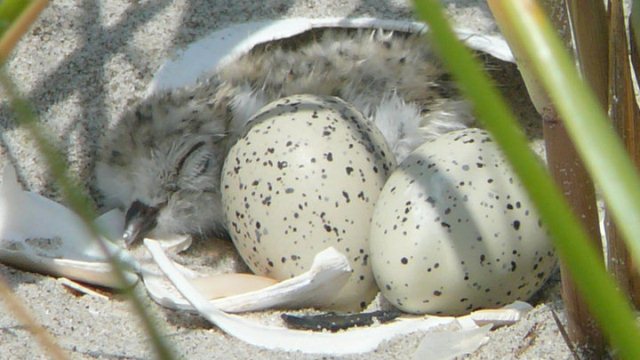
This past summer Boston was able to see the effect that their work has done for the environment. Over the past few decades Boston has been working to clean up the harbor and on July 2nd, 2019, they were rewarded for their efforts with the birth of four piping plovers (Wu). The first to hatch in the past three decades. This event was brought to my attention after reading Sarah Wu's article, Endangered Piping Plovers Hatch in Boston for First Time in Decades. After reading this I began to look for other places where a similar event had occurred, and the results were global. Nature has been rewarding us and thanking us for our efforts in small ways all across the world, especially in Africa.


We see this when looking at endangered African wild dogs. In an attempt to restore a population of dogs to Mozambique’s Gorongosa National Park a pack of 14 was released from rehab (Angier). The alpha female of the pack was pregnant when released, unfortunately, her first litter didn't survive. That didn't stop this pack, in the summer of 2019, the packs alpha female gave birth to 11 healthy pups, 10 of which survived (Angier). The pack wasn't limited to this birth, the beta female also gave birth to 8 pups, which the pack was happy to accept (Angier). This success was another example of nature showing us that our efforts are worth it and that we can be rewarded for those efforts. The park's dog population has grown from 0 to 50 in the last few years and continues to expand, proving that our efforts have been put to use (Angier)
Photo Credit: Anastasia Miller

Not only have wild dogs started a comeback due to human action, but African vulture safe zones have begun to pop up across South Africa helping the population grow. Vulture populations of Africa have dwindled by 62% in the last thirty years (Kockott and Carnie). This past November one of five planned vulture safe zones was opened in Howick, South Africa (Kockott and Carnie). In the years to follow these openings it is projected for vulture populations to grow.


If we continue our effort, nature will reward us once again. As we set up different projects to help our environment the world becomes a better place for us to live. By cleaning our coasts and atmosphere we are given a hospitable place to live. By conserving our animal populations we are given beautiful biodiversity to admire and learn from. 


Works Cited
Angier, Natalie. "Wild Pups Romp Again in an African Paradise." The New York Times, 3 Aug. 2019, www.nytimes.com/2019/08/03/science/african-dogs-pups-gorongosa.html. Accessed 9 Dec. 2019.
Kockott, Fred, and Tony Carnie. "Lift-off for first African vulture safe zones." Mongabay, 28 Nov. 2019, news.mongabay.com/2019/11/lift-off-for-first-african-vulture-safe-zones/. Accessed 9 Dec. 2019.
NPS Photo. A newly hatched piping plover chick rests. National Park Service, www.nps.gov/gate/learn/news/plover-eggs-stolen.htm. Accessed 10 Dec. 2019.
Wu, Sarah. "Endangered piping plovers hatch in Boston for the first time in decades." The Boston Globe [Boston], 2 July 2019. Boston Globe, www.bostonglobe.com/metro/2019/07/02/endangered-piping-plovers-hatch-boston-for-first-time-decades/QrlnnjA0ytY5pFdhAaVkTN/story.html. Accessed 4 Dec. 2019.

How Nature Rewards Us For Our Efforts to Help

Image result for piping plovers"
Photo Credit: NPS Photo
This past summer Boston was able to see the effect that their work has done for the environment. Over the past few decades Boston has been working to clean up the harbor and on July 2nd, 2019, they were rewarded for their efforts with the birth of four piping plovers (Wu). The first to hatch in the past three decades. This event was brought to my attention after reading Sarah Wu's article, Endangered Piping Plovers Hatch in Boston for First Time in DecadesAfter reading this I began to look for other places where a similar event had occurred, and the results were global. Nature has been rewarding us and thanking us for our efforts in small ways all across the world, especially in Africa.


We see this when looking at endangered African wild dogs. In an attempt to restore a population of dogs to Mozambique’s Gorongosa National Park a pack of 14 was released from rehab (Angier). The alpha female of the pack was pregnant when released, unfortunately, her first litter didn't survive. That didn't stop this pack, in the summer of 2019, the packs alpha female gave birth to 11 healthy pups, 10 of which survived (Angier). The pack wasn't limited to this birth, the beta female also gave birth to 8 pups, which the pack was happy to accept (Angier). This success was another example of nature showing us that our efforts are worth it and that we can be rewarded for those efforts. The park's dog population has grown from 0 to 50 in the last few years and continues to expand, proving that our efforts have been put to use (Angier)
Photo Credit: Anastasia Miller
If we continue our effort, nature will reward us once again. As we set up different projects to help our environment the world becomes a better place for us to live. By cleaning our coasts and atmosphere we are given a hospitable place to live. By conserving our animal populations we are given beautiful biodiversity to admire and learn from. 

Not only have wild dogs started a comeback due to human action, but African vulture safe zones have begun to pop up across South Africa helping the population grow. Vulture populations of Africa have dwindled by 62% in the last thirty years (Kockott and Carnie). This past November one of five planned vulture safe zones was opened in Howick, South Africa (Kockott and Carnie). In the years to follow these openings it is projected for vulture populations to grow.


Works Cited
Angier, Natalie. "Wild Pups Romp Again in an African Paradise." The New York Times, 3 Aug. 2019, www.nytimes.com/2019/08/03/science/african-dogs-pups-gorongosa.html. Accessed 9 Dec. 2019.
Kockott, Fred, and Tony Carnie. "Lift-off for first African vulture safe zones." Mongabay, 28 Nov. 2019, news.mongabay.com/2019/11/lift-off-for-first-african-vulture-safe-zones/. Accessed 9 Dec. 2019.
NPS Photo. A newly hatched piping plover chick rests. National Park Service, www.nps.gov/gate/learn/news/plover-eggs-stolen.htm. Accessed 10 Dec. 2019.
Wu, Sarah. "Endangered piping plovers hatch in Boston for the first time in decades." The Boston Globe [Boston], 2 July 2019. Boston Globe, www.bostonglobe.com/metro/2019/07/02/endangered-piping-plovers-hatch-boston-for-first-time-decades/QrlnnjA0ytY5pFdhAaVkTN/story.html. Accessed 4 Dec. 2019.